
(And What You Can Do to Sleep Better)
By Maria Treadaway, PhD
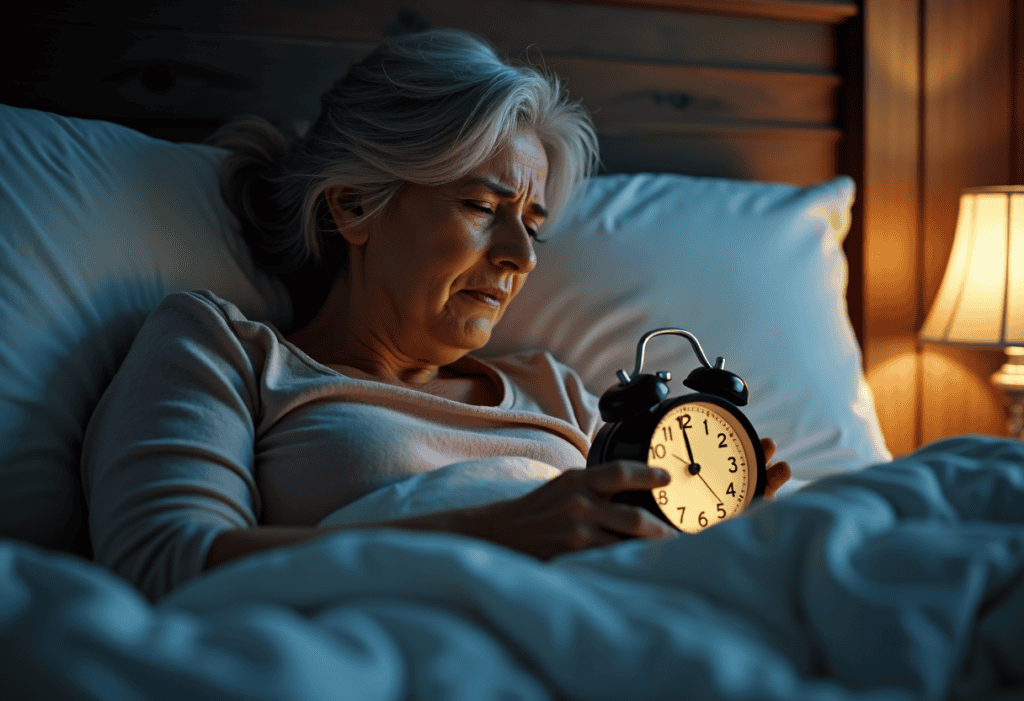
Table of Contents
You’re Not Losing Your Mind—Your Hormones Are Hijacking Your Sleep
If you’re lying awake at 3 a.m. for the third night this week, drenched in sweat and wondering what’s happened to the sleep you used to take for granted, I want you to know something important: you’re not broken, and you’re not alone. What you’re experiencing is one of the most common—and most frustrating—symptoms of perimenopause and menopause, and it’s rooted in real, measurable changes happening in your body right now.
I hear this story constantly from women in our Thrive in Midlife community: “I used to sleep like a rock. Now I wake up multiple times a night, and I’m exhausted all day.” You’ve probably tried all the basic sleep hygiene tips—no screens before bed, a cool bedroom, chamomile tea—and you’re still staring at the ceiling while your partner snores peacefully beside you. The inability to sleep through the night during menopause isn’t about willpower or relaxation techniques.
Nearly 50% of women going through the menopausal transition report significant sleep disturbances [1], and the impact goes far beyond feeling tired. Poor sleep during this time is linked to brain fog, weight gain, mood swings, and a cascade of other symptoms that can make you feel like you’re losing yourself. But once you understand the science behind what’s disrupting your sleep, you can take targeted action to fix it.
What’s Really Happening: Hormone Changes Affecting Sleep During Menopause
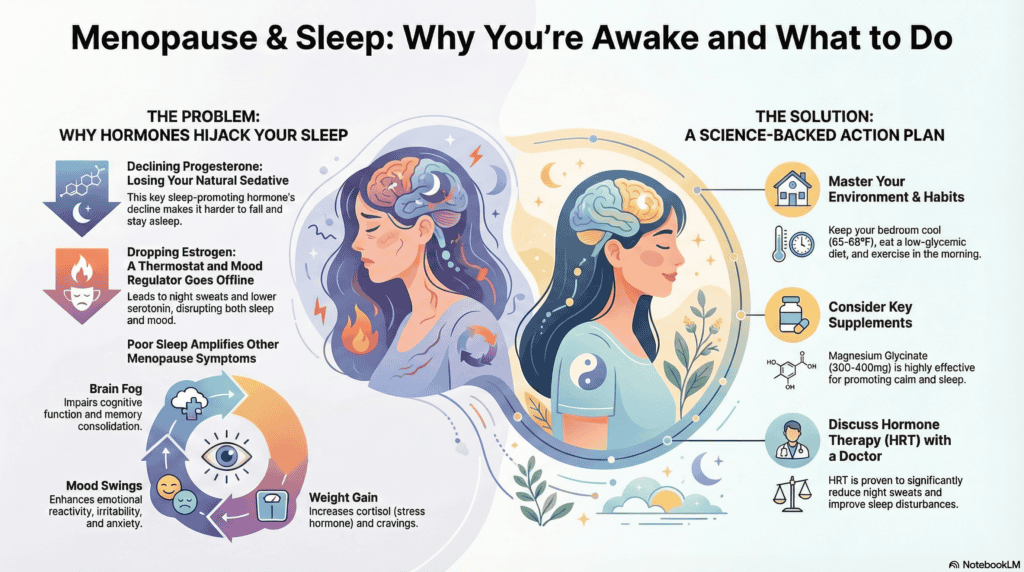
Let’s talk about what’s actually going on inside your body. During perimenopause and menopause, your ovaries gradually produce less estrogen and progesterone—the two hormones that have been quietly orchestrating so many of your body’s functions for decades. These hormone changes affecting sleep are profound and multifaceted, impacting everything from your body temperature to your brain chemistry.
How Estrogen and Progesterone Regulate Your Sleep Cycles
Progesterone is nature’s sedative. It has genuine sleep-promoting effects, helping you fall asleep and stay asleep throughout the night. When progesterone levels decline during menopause, you lose this natural sleep aid. Research shows that a steep decline in progesterone is directly associated with sleep disruption [1]. Think of it as losing your body’s built-in sleeping pill—no wonder you can’t sleep through the night during menopause.
Estrogen affects your sleep in multiple ways. First, it plays a critical role in thermoregulation—your body’s ability to maintain a stable temperature. As estrogen levels drop, your internal thermostat goes haywire, leading to those infamous hot flashes and night sweats that jolt you awake [2]. Estrogen also supports the production of serotonin, a neurotransmitter that influences both mood and sleep quality [3]. Lower estrogen means less serotonin, which can contribute to both sleep problems and the mood changes you might be experiencing.
Studies have demonstrated that both endogenous and exogenous estrogen, as well as progesterone, are positively associated with sleep during the menopausal transition [1]. In fact, research on hormone therapy shows marked improvement in sleep disturbances when these hormones are replaced [7]. This isn’t in your head—it’s in your hormones. So hormone changes affecting sleep
The Science Behind Sleep Disruption in Perimenopause
Your sleep architecture—the structure and pattern of your sleep cycles—actually changes during perimenopause and menopause. Sleep disruption in perimenopause manifests as more nighttime awakenings, reduced REM sleep (the restorative stage crucial for memory and emotional regulation), and less slow-wave sleep (the deep sleep that helps you feel refreshed) [2].
These aren’t just minor inconveniences; they’re fundamental changes to how your brain and body rest and repair themselves each night. Women experiencing sleep disruption in perimenopause often report difficulty initiating sleep, maintaining sleep, and early morning awakening with inability to return to sleep—the classic signs of insomnia [1].
The Vicious Cycle: How Poor Sleep Affects Everything Else
Poor sleep doesn’t just make you tired—it amplifies every other menopause symptom you’re experiencing. It’s a vicious cycle that can feel impossible to break, affecting your brain, your mood, and your metabolism in ways you might not even realize are connected to your inability to sleep through the night during menopause.
Brain Fog and Cognitive Function
When you don’t sleep well, your brain function suffers. That brain fog you’ve been experiencing? The difficulty concentrating or remembering words? Sleep deprivation makes it significantly worse. Research shows that lack of quality sleep impairs cognitive function, emotional regulation, and memory consolidation [2].
You’re not “losing your mind”—you’re losing sleep, and your brain is paying the price. During deep sleep, your brain clears out metabolic waste products and consolidates memories. When sleep disruption in perimenopause prevents you from getting adequate deep sleep, these essential processes can’t happen properly.
Mood Swings and Emotional Regulation
Your mood takes a hit too. Sleep deprivation enhances emotional reactivity—meaning you’re more likely to feel irritable, anxious, or depressed [1]. When you combine this with the hormonal fluctuations already affecting your mood, it’s no wonder you might feel like you’re on an emotional rollercoaster.
The connection between sleep and emotional well-being is bidirectional. Anxiety and low mood make it even harder to sleep, creating a cycle that feeds on itself. Many women don’t realize that addressing their sleep problems could significantly improve their emotional state during this transition.
Weight Gain and Metabolism
Poor sleep also affects your metabolism and weight. When you’re sleep-deprived, your body produces more cortisol (the stress hormone) and less leptin (the hormone that signals fullness). This hormonal imbalance increases cravings for high-calorie foods and makes it harder to maintain a healthy weight [5].
Many women notice that the weight starts creeping on during perimenopause, and disrupted sleep is often a hidden culprit. The impact extends to your physical health as well—chronic sleep disturbance is associated with increased inflammation, higher risk of cardiovascular disease, and compromised immune function [1].
The Hidden Culprits: Why Menopause Night Sweats Keep Disrupting Sleep
Beyond the obvious hormonal changes, there are several hidden factors that might be sabotaging your ability to sleep through the night during menopause. Understanding why menopause night sweats and other factors keep disrupting sleep can help you address problems you didn’t even know existed.
Understanding Thermoregulation and Hot Flashes
Declining estrogen affects thermoregulation in a very specific way. Estrogen helps regulate your hypothalamic thermoregulatory zone—essentially, the temperature range within which your body feels comfortable. As estrogen drops, this zone narrows dramatically [9].
What does this mean practically? Even tiny fluctuations in core body temperature that you wouldn’t have noticed before can now trigger your body’s cooling mechanisms—hot flashes and sweating. These vasomotor symptoms can cause awakenings and enhance lighter stages of sleep due to the physical discomfort of sweating at night [11]. Research shows that greater vasomotor symptom severity is directly associated with more sleep disturbance and worse sleep quality [8].
Menopause night sweats disrupting sleep create a particularly challenging situation because they often occur multiple times per night, fragmenting your sleep and preventing you from reaching the deeper, more restorative stages.
Cortisol Dysregulation and Sleep-Wake Cycles
Cortisol dysregulation is a major player in sleep problems during menopause. Cortisol is your body’s primary stress hormone, and it follows a natural daily rhythm—high in the morning to help you wake up, low at night to help you sleep. But during menopause, this rhythm can become disrupted [5].
Research shows that menopause-related sleep disruption and estradiol decline can disturb the HPA axis (your body’s stress response system), leading to abnormal cortisol patterns [6]. If your cortisol is elevated at night, you’ll feel “tired but wired”—exhausted but unable to fall asleep or stay asleep.
Lower sleep efficiency and fewer REM periods relate to higher cortisol levels, creating another vicious cycle. The stress of not sleeping raises cortisol, which makes it even harder to sleep. Breaking this cycle requires addressing both the hormonal changes and the stress response.
Blood Sugar Imbalances That Wake You Up
Blood sugar imbalances can also wreak havoc on your sleep. When you eat high-glycemic foods (refined carbs, sugary snacks) close to bedtime, your blood sugar spikes and then crashes during the night. This crash can trigger the release of cortisol and adrenaline, jolting you awake [10].
Many women don’t realize that what they’re eating—and when—is directly affecting their ability to sleep through the night during menopause. The combination of hormonal changes and blood sugar instability creates a perfect storm for sleep disruption.
How to Sleep Better During Menopause: Science-Backed Strategies
Now for the part you’ve been waiting for: what can you actually do to sleep better during menopause? I’m not going to tell you to just “relax more” or “try meditation” (though those can help). Instead, let’s talk about targeted, evidence-based strategies that address the root causes of your sleep disruption.
Temperature Regulation Techniques That Work
Since declining estrogen affects your thermoregulation, you need to compensate. Keep your bedroom cool (around 65-68°F), use breathable cotton or bamboo sheets, and consider moisture-wicking sleepwear. A cooling mattress pad or pillow can be a game-changer for women dealing with menopause night sweats disrupting sleep.
Layer your bedding so you can easily adjust if you wake up hot or cold. Some women find that keeping a small fan beside the bed provides immediate relief when a hot flash strikes. The goal is to minimize the temperature fluctuations that trigger awakenings.

Nutrition Timing and Food Choices for Better Sleep
What and when you eat significantly impacts sleep quality during menopause. Focus on a lower-glycemic diet that keeps blood sugar stable throughout the night [10]. Include protein and healthy fats at dinner to promote satiety and stable blood sugar.
Avoid large meals within three hours of bedtime, but don’t go to bed hungry either—a small protein-rich snack can prevent blood sugar crashes. Limit caffeine after 2 p.m. and be mindful of alcohol, which might help you fall asleep but disrupts sleep architecture and increases night wakings.
Include magnesium-rich foods in your daily diet: leafy greens like spinach and kale, nuts and seeds, legumes, and whole grains. These foods support not just sleep but overall hormonal health during menopause [10].
Menopause Insomnia Remedies: Supplements That Support Sleep
While supplements aren’t magic pills, certain menopause insomnia remedies have solid evidence for supporting sleep. Always discuss supplements with your healthcare provider, especially if you’re taking medications.
Magnesium, Glycine, and Other Evidence-Based Options
Magnesium glycinate (300-400mg before bed) is particularly effective because it combines magnesium with glycine, an amino acid that promotes calm and supports sleep [10]. Magnesium enhances GABA (your brain’s calming neurotransmitter) and assists in melatonin production.
Other supplements worth considering include vitamin B6 (which works synergistically with magnesium), tart cherry (a natural source of melatonin), and L-theanine (which promotes relaxation without sedation). Some women also find success with adaptogenic herbs like ashwagandha that support healthy cortisol patterns [10].
The Role of Exercise (And When to Do It)
Regular exercise can significantly improve sleep quality during menopause, but timing matters. Morning or early afternoon exercise can help normalize your cortisol rhythm—boosting cortisol when you want it high and helping it decline naturally by evening [5].
Exercise also helps with weight management, mood regulation, and overall cardiovascular health. However, avoid vigorous exercise within three hours of bedtime, as it can be too stimulating. Gentle evening activities like yoga or stretching can be beneficial for winding down.
The HRT Question: Could Hormone Therapy Help Your Sleep?
This is the question many women ask, and the answer is: it might, and it’s worth discussing with your healthcare provider. The research is quite clear that hormone replacement therapy (HRT) can significantly improve the ability to sleep through the night during menopause.
Understanding Your Options for Symptom Relief
Studies show that both estrogen alone and the combination of estrogen plus progesterone have positive effects on sleep disturbance in menopausal women [7]. In fact, a marked improvement in sleep disturbances is observed with perimenopausal hormone therapy [1].
HRT can reduce hot flashes and night sweats (major sleep disruptors), support more stable thermoregulation, and restore some of the sleep-promoting effects of progesterone. However, HRT isn’t right for everyone, and the decision should be individualized based on your health history, symptoms, and risk factors.
The type of HRT matters too—bioidentical progesterone, for example, may have better sleep-promoting effects than synthetic progestins. Some women have contraindications to HRT, such as a history of certain cancers or blood clots.
When to Talk to Your Doctor
If you’re struggling with severe sleep disruption during menopause, I strongly encourage you to have an informed conversation with a healthcare provider who specializes in menopause. Don’t let anyone dismiss your sleep problems as “just part of aging” or something you need to accept.
You deserve to sleep well, and HRT might be an important part of your solution. In my book The Menopause Brain Reset, I discuss the nuances of hormone therapy in depth, including how to have productive conversations with your doctor about your options.
Your 7-Day Sleep Reset Action Plan to Sleep through the Night During Menopause
Ready to start making changes? Here’s a practical, step-by-step plan to begin reclaiming your sleep this week. Don’t try to implement everything at once—start with the quick wins and build from there.
Quick Wins for Immediate Relief
Day 1: Optimize Your Sleep Environment Set your bedroom temperature to 65-68°F. Remove electronics or cover LED lights. Invest in blackout curtains if needed. Switch to breathable, natural-fiber bedding.
Day 2: Establish Light Exposure Patterns Get 15-30 minutes of bright light (preferably sunlight) within an hour of waking. In the evening, dim lights after dinner and eliminate screens one hour before bed.
Day 3: Start Magnesium Supplementation Begin taking 300-400mg of magnesium glycinate about an hour before bed. (Check with your doctor first if you have kidney issues or take medications.)
Long-Term Strategies for Sustained Improvement
Day 4: Stabilize Your Blood Sugar Eat a balanced dinner with protein, healthy fats, and vegetables. Avoid high-glycemic foods after 6 p.m. If you need a bedtime snack, choose protein-rich options like a small handful of nuts.
Day 5: Create a Consistent Sleep Schedule Choose a realistic bedtime and wake time, and stick to them every day—yes, even weekends. Consistency is crucial for resetting your circadian rhythm and learning to sleep through the night during menopause.
Day 6: Implement a Wind-Down Routine Create a 30-60 minute pre-sleep routine that signals to your body it’s time to rest. This might include gentle stretching, reading, journaling, or a warm bath. Make it screen-free and calming.
Day 7: Address Stress and Cortisol Practice a stress-reduction technique during the day—deep breathing, a short walk, or gentle yoga. Consider adding morning exercise to help normalize your cortisol rhythm.
Remember, sustainable change takes time. You might not see dramatic improvements overnight, but if you stick with these strategies consistently, most women notice significant changes within 2-4 weeks. Track your sleep in a journal so you can identify what’s working and what needs adjustment.
Conclusion: Sleep Is Your Foundation for Thriving in Menopause
I know how exhausting and demoralizing it is to struggle to sleep through the night during menopause. But I want you to hear this: you don’t have to accept poor sleep as your new normal. The sleep disruption you’re experiencing during menopause is real, it’s physiological, and most importantly, it’s addressable.
Yes, hormone changes affecting sleep during menopause are profound, and yes, menopause night sweats disrupting sleep can feel overwhelming. But you’re not powerless. By understanding the science behind what’s happening and implementing targeted strategies that address the root causes, you can reclaim the restorative sleep that’s essential for your health, your cognitive function, your mood, and your overall quality of life.
Sleep is the foundation upon which everything else rests. When you’re sleeping well, you have the energy and mental clarity to make healthy choices, manage stress, maintain relationships, and pursue the things that matter to you. You deserve that foundation. You deserve to thrive, not just survive, during this transition.
If you’re ready to dive deeper into understanding how menopause affects your brain and body—and what you can do about it—I invite you to check out my book The Menopause Brain Reset, where I explore these topics in much greater detail with actionable strategies for every aspect of your health. And if you’re looking for community support, join us in the Thrive in Midlife Facebook group, where thousands of women are supporting each other through this journey. You can also tune in to the Thrive in Midlife podcast for weekly insights and inspiration.
Try our new tool to Decode Your Menopause Symptoms
Your best sleep—and your best life—is still ahead of you. Let’s reclaim it together.
💡 Learn more in my new book The Menopause Brain Reset
Join our Facebook community of women redefining what it means to thrive in midlife. Because you’re not done — you’re just beginning.
How to treat menopause sleep issues?
Maintain a consistent sleep schedule by going to bed and waking up at the same time daily.
Create a comfortable sleep environment: keep the bedroom dark, cool, and quiet.
Limit caffeine and alcohol intake, especially close to bedtime.
Practice relaxation techniques such as deep breathing, meditation, or yoga before bed.
Consider cognitive behavioral therapy (CBT) for insomnia.
Explore natural supplements like melatonin or valerian root, after consulting a healthcare provider.
Engage in regular physical activity, but avoid vigorous exercise close to bedtime.
Keep electronic devices out of the bedroom to reduce blue light exposure.
Can menopause cause sleepless nights?
Yes, menopause can cause sleepless nights due to hormonal changes, hot flashes, night sweats, and mood fluctuations.
How long does hormonal insomnia last?
Hormonal insomnia can last from a few days to several weeks, depending on the underlying hormonal changes and individual circumstances.
How can I sleep through the night during menopause?
Maintain a consistent sleep schedule by going to bed and waking up at the same time every day.
Create a comfortable sleep environment; keep the bedroom cool, dark, and quiet.
Limit caffeine and alcohol intake, especially in the hours leading up to bedtime.
Engage in regular physical activity, but avoid vigorous exercise close to bedtime.
Practice relaxation techniques such as deep breathing, meditation, or yoga.
Consider herbal supplements like valerian root or chamomile after consulting with a healthcare provider.
Avoid heavy meals close to bedtime; instead, opt for a light snack if you’re hungry.
Stay hydrated throughout the day, but limit fluids in the evening to reduce nighttime trips to the bathroom.
Talk to a healthcare professional about hormonal therapies or other medications if sleep issues persist.
References
[1] A. Haufe and B. Leeners, “Sleep disturbances across a woman’s lifespan: What is the role of reproductive hormones?” J. Endocr. Soc., vol. 7, no. 5, p. bvad036, Mar. 2023.
[2] F. C. Baker, “Sleep and sleep disorders in the menopausal transition,” Sleep Med. Clin., vol. 13, no. 3, pp. 443-456, Sep. 2018.
[3] P. M. Maki, “Sleep disturbance associated with the menopause,” Menopause, vol. 31, no. 8, pp. 767-775, Aug. 2024.
[4] R. C. Thurston, H. M. Kravitz, J. T. Bromberger, et al., “Vasomotor symptoms and sleep characteristics in midlife women,” Menopause, vol. 19, no. 1, pp. 61-67, Jan. 2012.
[5] C. Gomez-Santos, C. B. Saura, J. A. R. Lucas, et al., “Menopause status is associated with circadian- and sleep-related alterations,” Menopause, vol. 23, no. 6, pp. 682-690, Jun. 2016.
[6] A. Y. Cohn, L. K. Grant, M. D. Nathan, et al., “Effects of sleep fragmentation and estradiol decline on cortisol in a human experimental model of menopause,” J. Clin. Endocrinol. Metab., vol. 108, no. 11, pp. e1347-e1356, Nov. 2023.
[7] Z. Pan, L. Huang, X. Qin, et al., “Different regimens of menopausal hormone therapy for sleep disturbance,” Menopause, vol. 29, no. 5, pp. 587-595, May 2022.
[8] B. DePree, N. E. Avis, L. Cai, et al., “Menopausal vasomotor symptoms and sleep/work impairments,” Menopause, vol. 30, no. 9, pp. 907-914, Sep. 2023.
[9] A. M. C. Brown, J. Gervais, and L. Dallman, “Role of ovarian hormones in the modulation of sleep in females across the adult lifespan,” Endocrinology, vol. 161, no. 9, p. bqaa128, Sep. 2020.
[10] D. Polasek, M. Vukšić, and D. Kolarić, “Nutritional interventions in treating menopause-related symptoms,” Nutrients, vol. 15, no. 12, p. 2681, Jun. 2023.
[11] M. T. Bianchi, C. C. Kim, and R. B. Gallagher, “Nocturnal hot flashes: Relationship to objective awakenings and sleep architecture,” J. Clin. Sleep Med., vol. 12, no. 6, pp. 857-864, Jun. 2016.
[12] H. Attarian, H. Hachul, T. Guttuso, and B. Phillips, “Treatment of chronic insomnia disorder in menopause: Evaluation of literature,” Menopause, vol. 22, no. 6, pp. 674-684, Jun. 2015.