

Table of Contents
You CAN Conquer Menopause Weight Gain. Here’s How.
Let’s be honest. It can feel like your body has turned against you during menopause, can’t it? The sudden weight gain, the frustrating brain fog, the sleepless nights… it’s a lot. You’re not alone in this, and you’re certainly not imagining it. The hormonal shifts of menopause, particularly the decline in estrogen, can wreak havoc on your metabolism and how your body stores fat. But what if I told you there’s a powerful, science-backed tool that can help you reclaim control? I’m talking about creating an intermittent fasting schedule menopause plan that works with your body, not against it.
Intermittent fasting isn’t about starvation or deprivation. It’s about being strategic with when you eat to unlock a cascade of incredible health benefits. We’re going to dive deep into how you can make intermittent fasting during menopause your secret weapon for not just weight management, but for a vibrant, energetic midlife. If you’re ready to transform your health, our FREE 5-Day Menopause Brain Reset Course is the perfect place to start.
Understanding Intermittent Fasting for Menopause
So, what exactly is intermittent fasting for menopause? At its core, it’s an eating pattern that cycles between periods of eating and voluntary fasting. It’s not a diet in the traditional sense; it’s a way of scheduling your meals to get the most out of them. When you fast, your body shifts from using glucose for energy to burning fat, a metabolic state that can lead to remarkable transformations [1].
This metabolic switch is where the magic happens for menopausal women. Research from 2025 has shown that intermittent fasting during menopause can lead to significant weight loss, a reduction in visceral fat (the dangerous fat around your organs), and improved insulin sensitivity [1]. For postmenopausal women specifically, studies have found that those who followed an 18:6 fasting schedule lost an average of 3.3% of their body weight in just 8 weeks [2].
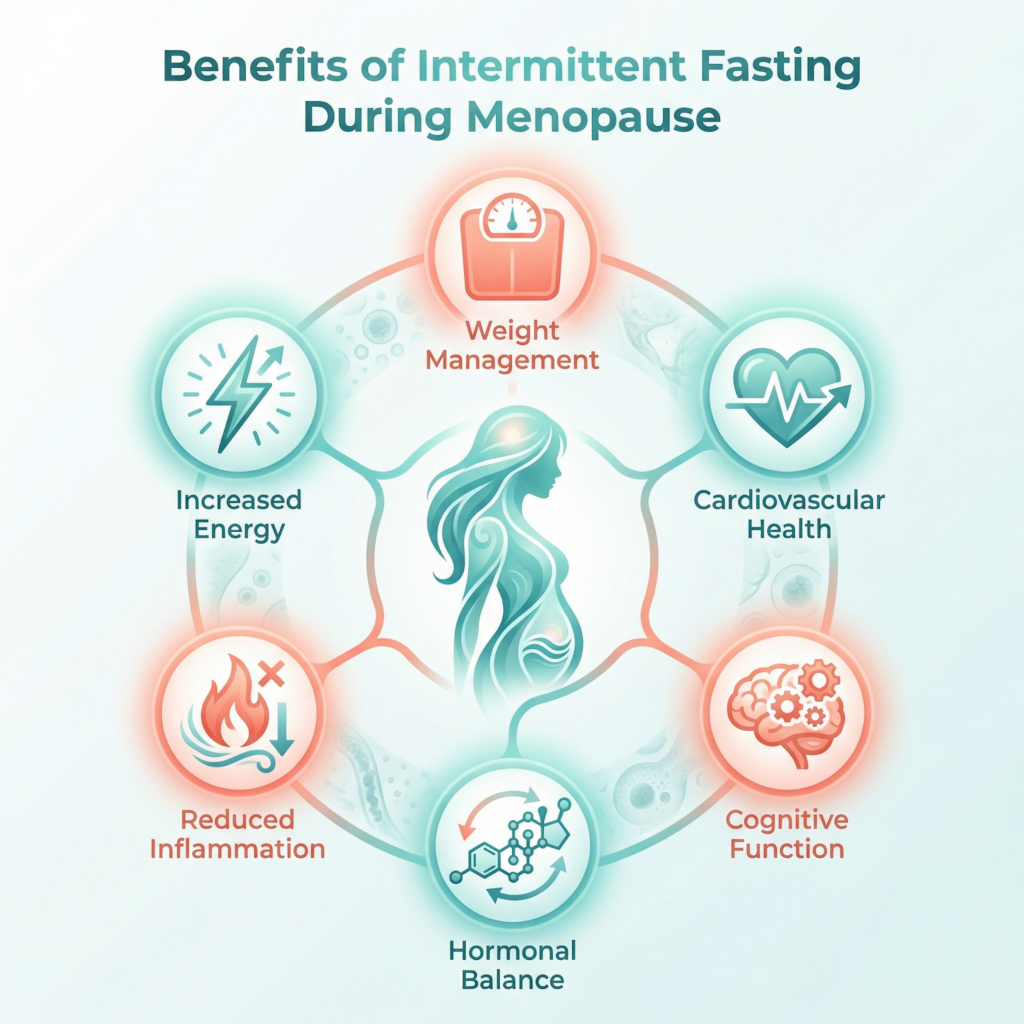
The beauty of intermittent fasting for women during this life stage is that it addresses the root causes of menopausal weight gain. Estrogen is a thermogenic hormone that increases your basal metabolic rate. When estrogen levels decline during menopause, your metabolism naturally slows down [1]. But intermittent fasting helps with menopause by essentially “resetting” your metabolic switch, allowing your body to become more efficient at burning fat for fuel.
The Science-Backed Benefits of Intermittent Fasting for Women
Why is intermittent fasting for women, especially during menopause, so effective? The benefits go far beyond weight loss. Studies have shown that intermittent fasting can help balance key hormones like insulin and cortisol, which can be thrown out of whack during menopause [3]. When you’re dealing with hormonal chaos, having a tool that can help stabilize these fluctuations is invaluable.
One of the most exciting benefits is how intermittent fasting during menopause supports brain health. It can boost the production of brain-derived neurotrophic factor (BDNF), a protein that supports brain health and cognitive function, helping you cut through that frustrating brain fog [4]. If you’ve been feeling like you can’t think clearly or remember things as well as you used to, this is a game-changer.
Plus, intermittent fasting for menopause is a powerful tool for reducing inflammation. Menopause is associated with heightened inflammatory states, which contribute to conditions like osteoporosis, arthritis, and cardiovascular disease [5]. By modulating inflammatory pathways and reducing oxidative stress markers, intermittent fasting can help protect your long-term health.
Cardiovascular and Metabolic Benefits
The cardiovascular benefits of intermittent fasting for women over 50 are particularly noteworthy. Cardiovascular risks escalate postmenopause due to reduced estrogen levels, which normally provide protective effects against atherosclerosis. Studies have demonstrated that intermittent fasting can lower LDL cholesterol, reduce blood pressure, and improve endothelial function [1]. These changes collectively contribute to improved cardiovascular outcomes, which is crucial since heart disease becomes the leading cause of death for women after menopause.
When it comes to metabolic health, intermittent fasting during menopause shines. It improves insulin sensitivity and glucose control, which is especially important since postmenopausal women have a higher risk of developing metabolic syndrome. About 42% of postmenopausal women have metabolic syndrome compared to just 16% of younger premenopausal women [1]. By implementing an effective intermittent fasting schedule menopause plan, you can significantly reduce your risk.
Creating Your Perfect Intermittent Fasting Schedule Menopause Plan
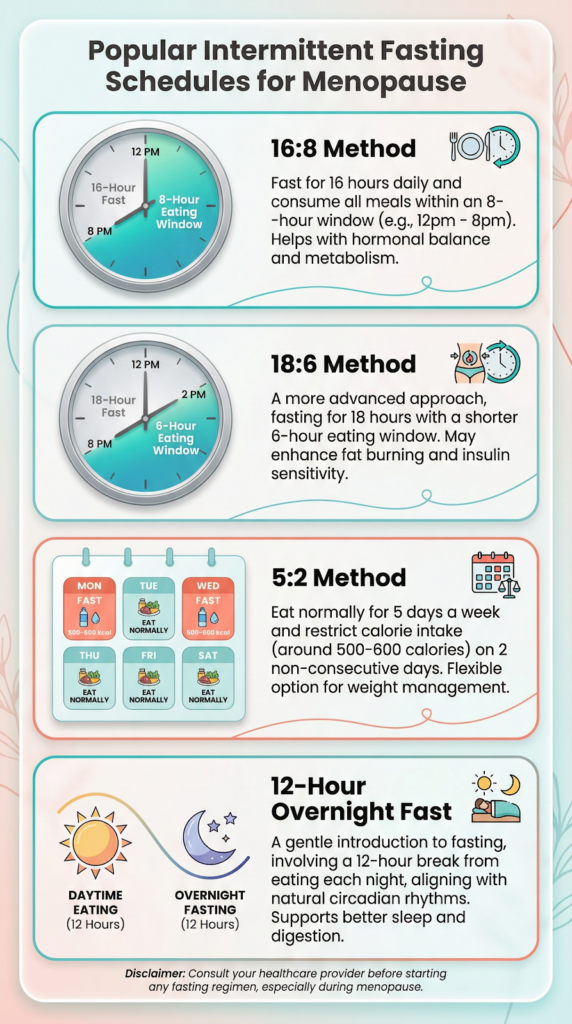
There’s no one-size-fits-all intermittent fasting schedule menopause approach. The best method is to start slowly and find what works for your unique body and lifestyle. Here are the most effective methods for intermittent fasting for women during menopause:
The 16:8 Method
This is the most popular intermittent fasting schedule menopause approach. You fast for 16 hours and eat during an 8-hour window. For example, you might eat between 12 PM and 8 PM, or between 10 AM and 6 PM. During the 16-hour fasting period, you can consume calorie-free fluids like water, green tea, and black coffee [1].
The 16:8 method works particularly well for intermittent fasting during menopause because it aligns with your body’s natural circadian rhythms. Studies suggest that consuming meals earlier in the day enhances metabolic outcomes and hormonal balance [1]. So if you’re following a 16:8 schedule, consider eating between 10 AM and 6 PM rather than noon to 8 PM.
The 18:6 Method
A slightly more advanced version of the 16:8, the 18:6 method involves fasting for 18 hours with a 6-hour eating window. This intermittent fasting schedule menopause protocol may enhance fat burning and insulin sensitivity even more than the 16:8 method [1]. However, it’s best to work up to this gradually. Don’t jump straight into an 18:6 schedule if you’re new to fasting.
The 5:2 Method
This is one of the most flexible approaches to intermittent fasting for menopause. You eat normally for five days a week and restrict your calorie intake to around 500-600 calories on two non-consecutive days [1]. The two fasting days should have regular feeding days between them. This method tends to have better adherence rates than daily time-restricted feeding because it doesn’t interfere with your daily routine as much [1].
The 12-Hour Overnight Fast
If you’re new to intermittent fasting for women, this is the perfect starting point. A 12-hour overnight fast is the gentlest introduction to fasting. You simply stop eating after dinner and don’t eat again until breakfast, ensuring a 12-hour break from food each night [2]. This aligns with your natural circadian rhythms and supports better sleep and digestion.
Many women find that starting with a 12-hour overnight fast and gradually increasing to 14, then 16 hours is the most sustainable approach to intermittent fasting during menopause. Listen to your body and progress at your own pace.
How Intermittent Fasting Helps with Menopause Symptoms
Beyond weight management, intermittent fasting helps with menopause symptoms in several profound ways. By improving insulin sensitivity, it can help stabilize your energy levels and reduce mood swings [3]. If you’ve been experiencing the emotional rollercoaster of menopause, this hormonal stabilization can make a world of difference.
The anti-inflammatory effects of intermittent fasting for menopause can help with joint pain and other aches that many women experience during this transition [5]. Inflammation is at the root of so many menopausal symptoms, and by addressing it directly, you’re tackling multiple issues at once.
One of the most exciting benefits is how intermittent fasting during menopause promotes cellular repair through a process called autophagy. Think of autophagy as your body’s internal “cleaning crew” that removes damaged cells and proteins. This process can have anti-aging benefits and may even reduce the risk of neurodegenerative conditions [6]. It’s a holistic approach to wellness that addresses many of the challenges of menopause at their root.
Hormonal Balance Through Intermittent Fasting
Intermittent fasting for women impacts several key hormones associated with menopause. By improving insulin sensitivity, it helps reduce the insulin spikes that can lead to increased fat storage, particularly around the midsection [1]. Lower insulin levels also mean lower cortisol levels, which can help alleviate stress-related hormonal imbalances that are so common during menopause [3].
Research indicates that intermittent fasting during menopause may increase levels of DHEA, a precursor to estrogen and testosterone, which naturally declines during menopause [1]. While more research is needed in this area, the preliminary findings are promising for women looking to support their hormonal health naturally.
Getting Started with Your Intermittent Fasting Schedule Menopause Journey
Ready to give it a try? Here are essential tips for getting started with your intermittent fasting schedule menopause plan:

Start Slow and Build Gradually
Begin with a 12-hour overnight fast and gradually increase the duration as you feel comfortable. Jumping straight into longer fasts can spike stress hormones, which is counterproductive during menopause [2]. Give your body time to adapt to this new eating pattern. You might start with 12 hours for a week, then move to 14 hours, and eventually work up to 16 hours if that feels right for you.
Stay Hydrated
Hydration is crucial when practicing intermittent fasting during menopause. Drink plenty of water, herbal tea, or black coffee during your fasting window. Adequate hydration and electrolyte supplementation can prevent fatigue and headaches commonly associated with fasting [1]. Some women find that adding a pinch of sea salt to their water helps maintain electrolyte balance.
Nourish Your Body with Nutrient-Dense Foods
When you do eat, focus on nutrient-dense foods that support your health during menopause. Ensuring nutritional adequacy is crucial to meet your body’s needs for calcium, Vitamin D, and omega-3 fatty acids, which support bone and cardiovascular health [1]. Your meals should include:
- Lean protein (fish, chicken, eggs, legumes) to prevent muscle loss
- Healthy fats (avocado, olive oil, nuts, seeds) for hormone production
- Plenty of vegetables for fiber, vitamins, and minerals
- Complex carbohydrates (quinoa, sweet potatoes, whole grains) for sustained energy
Adequate protein intake is especially important when following an intermittent fasting schedule menopause plan. You need to maintain muscle mass, which naturally declines with age and can be exacerbated by menopause [1].
Listen to Your Body
Pay attention to how you feel and adjust your schedule as needed. If you feel unwell, dizzy, or excessively fatigued, break your fast. Intermittent fasting for menopause should make you feel energized and empowered, not depleted. Some women find that their fasting tolerance varies with their menstrual cycle (if they’re perimenopausal) or with stress levels. That’s completely normal.
Combine with Exercise
Incorporating both resistance and aerobic exercise will amplify the benefits of intermittent fasting during menopause [1]. Resistance training is particularly important for maintaining muscle mass and bone density, both of which are challenged during menopause. Aim for at least 2-3 days of strength training per week, along with regular cardiovascular exercise like walking, swimming, or cycling.
Important Considerations and Cautions
While intermittent fasting for women during menopause offers numerous benefits, it’s not suitable for everyone. You should avoid intermittent fasting during menopause if you:
- Have a history of eating disorders
- Are taking medication that requires food
- Have diabetes or prediabetes without medical supervision [2]
- Take medication for heart disease or blood pressure (these drugs, combined with fasting, may imbalance important minerals like sodium and potassium) [2]
Initial side effects of starting an intermittent fasting schedule menopause plan can include features of hypoglycemia, weakness, reduced energy, dizziness, and instability [1]. These typically resolve as your body adapts, but if they persist, consult your healthcare provider.
In some cases, intermittent fasting for menopause may temporarily disrupt menstrual patterns in perimenopausal women or exacerbate symptoms such as fatigue and mood swings [1]. If this happens, consider a gentler approach like the 12-hour overnight fast or the 5:2 method.
Real Results: What to Expect
When you commit to an effective intermittent fasting schedule menopause plan, what can you realistically expect? Studies show that women can experience about 7% body weight loss at 6 months, with significant reductions in visceral adiposity [1]. But the benefits go beyond the scale.
Many women report improved energy levels, better sleep quality, clearer thinking, reduced joint pain, and a greater sense of control over their health. The key is consistency and finding the right intermittent fasting for women approach that fits your lifestyle.
Remember, intermittent fasting during menopause is a tool, not a magic bullet. It works best when combined with other healthy lifestyle practices like regular exercise, stress management, quality sleep, and a supportive community.
Conclusion: Your Path to a Vibrant Midlife
Creating an intermittent fasting schedule menopause plan is more than just a weight-loss strategy; it’s a powerful act of self-care. It’s about taking control of your health and well-being during a time of significant change. You have the power to not just survive menopause, but to thrive in this new chapter of your life.
Intermittent fasting for menopause addresses multiple challenges at once: weight gain, metabolic changes, hormonal imbalances, inflammation, cognitive decline, and cardiovascular risk. It’s a holistic approach that works with your body’s natural rhythms and processes.
If you’re ready to take the next step on your journey to a healthier, happier you, I invite you to join our 90-Day Transformational Course. It’s a comprehensive program designed to guide you through every aspect of menopause, from nutrition and fitness to mindset and community. You’ll learn how to implement intermittent fasting during menopause safely and effectively, along with other evidence-based strategies for thriving during this transition.
You don’t have to navigate this journey alone. Join thousands of women who have discovered that intermittent fasting helps with menopause and have transformed their health and lives. Your vibrant second chapter is waiting.
Trusted Resources: Learn More About Menopause and Intermittent Fasting
1. Mayo Clinic – Perimenopause: Symptoms and Causes
URL: https://www.mayoclinic.org/diseases-conditions/perimenopause/symptoms-causes/syc-20354666
2. American Heart Association – Menopause Transition and Cardiovascular Disease Risk
URL: https://www.ahajournals.org/doi/10.1161/CIR.0000000000000912
3. National Institutes of Health (PMC ) – Brain-Derived Neurotrophic Factor: A Key Molecule for Memory and Learning
URL: https://pmc.ncbi.nlm.nih.gov/articles/PMC6692714/
4. Cleveland Clinic – Autophagy: Definition, Process, Fasting & Signs
URL: https://my.clevelandclinic.org/health/articles/24058-autophagy
5. National Institutes of Health (PMC ) – Estrogen Deficiency and the Origin of Obesity during Menopause
URL: https://pmc.ncbi.nlm.nih.gov/articles/PMC3964739/
Frequently Asked Questions
What is the best intermittent fasting schedule for menopause?
The best intermittent fasting schedule for menopause may vary by individual, but a popular approach is the 16:8 method, where you fast for 16 hours and eat during an 8-hour window. Another option is the 5:2 method, where you eat normally for five days and restrict calorie intake to about 500-600 calories for two non-consecutive days. It’s important to consult with a healthcare provider before starting any fasting regimen.
How many hours should a woman over 50 intermittent fast?
A woman over 50 can consider intermittent fasting for 14 to 16 hours daily.
What is the 2 2 2 rule fasting?
The 2 2 2 rule of fasting refers to a strategy where you fast for 2 days, eat normally for 2 days, and then fast again for 2 days.
What is the fastest way to lose weight during menopause?
Focus on a balanced diet rich in whole foods, including fruits, vegetables, lean proteins, and healthy fats. Incorporate regular physical activity, such as strength training and aerobic exercises. Stay hydrated and get adequate sleep. Monitor portion sizes and consider consulting a healthcare professional for personalized advice.
References
[1] Garg R, Chetan R, Jyothi GS, Agrawal P, Gupta P. Intermittent Fasting and Weight Management at Menopause. J Midlife Health. 2025 Apr 5;16(1):14–18. doi: 10.4103/jmh.jmh_227_24
[2] “Intermittent Fasting for Women Over 50: What You Need to Know.” WebMD, 9 June 2024, https://www.webmd.com/healthy-aging/what-to-know-about-intermittent-fasting-for-women-after-50.
[3] “Intermittent Fasting and Menopause.” Join Midi, https://www.joinmidi.com/post/intermittent-fasting-and-menopause. Accessed 9 Feb. 2026.
[4] “Intermittent fasting for women in menopause.” Health & Her, https://healthandher.com/en-us/blogs/expert-advice/intermittent-fasting-menopause. Accessed 9 Feb. 2026.
[5] “Intermittent Fasting & Perimenopause: A Practical Guide.” BodySpec, https://www.bodyspec.com/blog/post/intermittent_fasting_perimenopause_a_practical_guide. Accessed 9 Feb. 2026.
[6] “Does Intermittent Fasting Work in Post Menopause Women?” The Dr. Streicher Show, https://drstreicher.substack.com/p/does-intermittent-fasting-work-in. Accessed 9 Feb. 2026.